


Jute vs Sisal: What Cats Prefer for Scratching
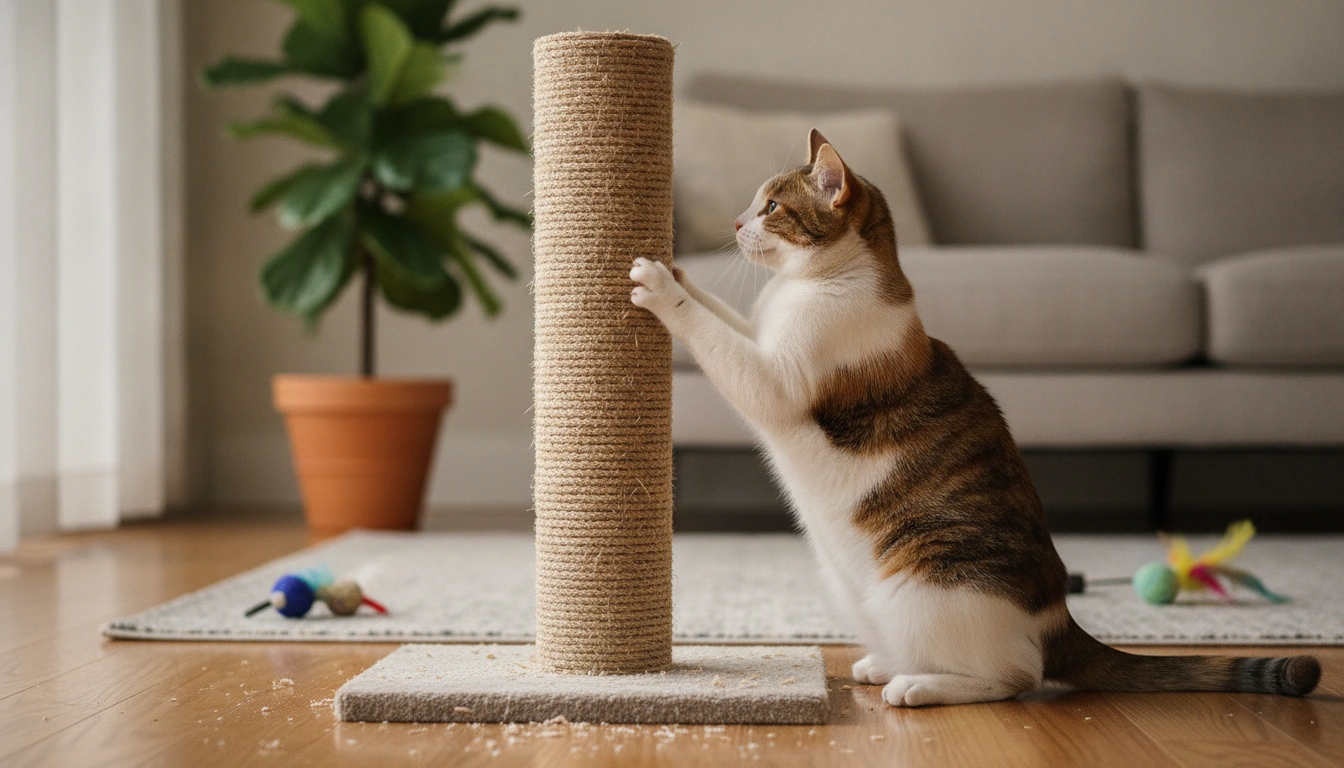
Do cats prefer jute or sisal?
Most cats tend to prefer sisal over jute for scratching because it’s tougher, more textured, and holds up better to repeated clawing. Sisal’s rough fibers give cats satisfying resistance, which helps them shed nail sheaths and stretch their shoulders and back. Jute can still work, but it’s usually softer and may fray faster, especially with enthusiastic scratchers.
Why sisal often wins for scratching posts
Sisal rope is commonly used on cat trees and scratching posts because it’s durable and “grippy.” Many cats like that it doesn’t slide under their claws, so they can dig in and get a full-body stretch. It also tends to stay usable longer before becoming shredded, which matters if scratching is your cat’s daily routine.
When jute can be a good choice
Jute is a natural fiber too, and some cats enjoy it—especially cats that prefer a slightly less abrasive feel. If a cat is picky, has sensitive paws, or simply doesn’t take to rough rope, a jute-wrapped surface may be more inviting. The tradeoff is longevity: jute often shows wear sooner and may leave fuzzier debris around the base.
How to tell which your cat will like
Preference can come down to texture and placement more than the fiber itself. If your cat already scratches rugs or woven furniture, jute may feel familiar. If your cat scratches bark-like surfaces or rough mats, sisal is usually the safer bet. Offering two scratch options for a week can reveal a clear favorite.
Choosing a cat tree that supports natural scratching
Regardless of material, look for stable posts, thick rope coverage, and a tall enough scratching zone for a full stretch. For an example of a sturdy setup featuring thick sisal and cat-friendly perches, see this guide: https://trendproductdeals.com/guide-pink-flower-cat-tree-thick-sisal-removable-perch/.
FAQ
How long does sisal rope typically last on a cat tree?
With daily use, sisal often stays functional for months to over a year, depending on your cat’s intensity and the rope thickness. Thicker, tightly wrapped sisal generally lasts longer and sheds less.












Leave a comment
You must be logged in to post a comment.