

RC Car Scale Explained: 1/10, 1/18, 1/24 and More
What is scale in remote control cars?
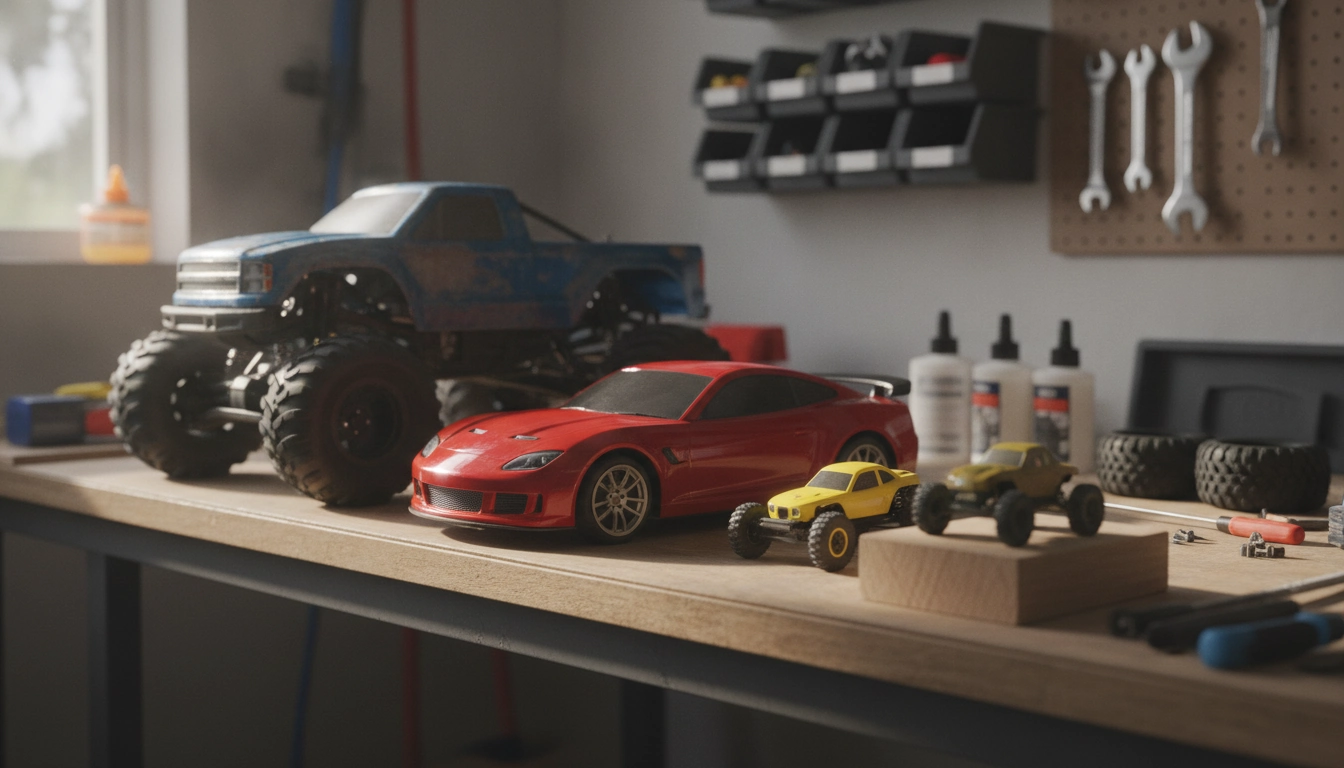
Scale in remote control (RC) cars describes how large the model is compared to the full-size vehicle it represents. It’s written as a ratio, such as 1/10, 1/18, or 1/20. The first number is the model; the second number is the real thing. So, a 1/10 scale RC car is about one-tenth the size of the real vehicle.
Scale helps set expectations for the RC car’s physical footprint, where it can be driven, and what parts and accessories will fit. It’s also a quick way to compare models across brands—two vehicles labeled 1/10 scale are generally in the same size class, even if their exact dimensions vary by body style and wheelbase.
Why scale matters when shopping
Space and driving location: Larger scales (like 1/10) usually need more room to feel comfortable at speed, while smaller scales (like 1/24) work well in tighter spaces and can be easier to store.
Stability and handling: Bigger RC cars often feel more planted and can roll over rougher terrain more easily. Smaller models can be nimble but may get bounced around by rocks, grass, and cracks.
Parts and upgrades: Scale influences battery size, motor options, tire diameter, and compatibility with replacement parts. Even within the same scale, always match parts to the specific model and manufacturer.
Common RC scales (quick reference)
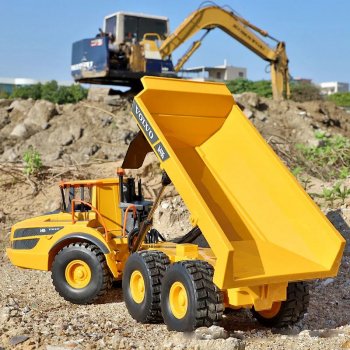
1/10 is a popular “full-size” hobby class for buggies, trucks, and short course rigs. 1/12 and 1/14 are mid-size options often seen in on-road and specialty models. 1/18 and 1/24 are compact and convenient for casual driving, indoor use, or smaller outdoor areas. Scales like 1/20 are also common in utility-style models, including certain RC construction vehicles.
If you’re comparing construction-style RC vehicles, this guide is a helpful next stop: 1/20 Scale RC Dump Truck Guide.
FAQ
What does 1/10 scale mean for an RC car?
It means the model is approximately one-tenth the size of the real vehicle. In practice, exact dimensions still vary by wheelbase, body style, and manufacturer.













Leave a comment
You must be logged in to post a comment.